


If you've spotted a gleaming golden brass pot in a friend's kitchen or a specialty store and wondered whether people really cook in it, you're not alone. Brass cookware is one of the oldest kitchen traditions in the world, and it's making a comeback with home cooks who want food that's slow-cooked, flavorful, and prepared in something with real character.
So is it good to cook in brass utensils? Short answer: yes, when you use the right kind and use it the right way. Let's walk through it like a chat over coffee.
What Exactly Is Brass?
Brass is a metal alloy made mainly of copper and zinc. Copper gives it excellent heat conductivity, while zinc adds strength and that warm, golden shine. For thousands of years, families across Asia, the Middle East, and parts of Europe have used brass pots, pans, and serving ware for everyday cooking and special feasts.
Why Do People Love Cooking in Brass?
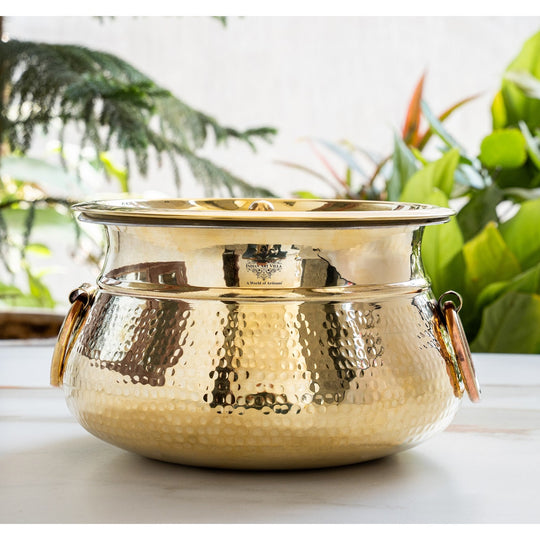
It heats evenly. Thanks to its copper content, brass spreads heat well. That means fewer hot spots and less scorching, especially for slow-simmered dishes.
It's built to last. A good brass pot can serve a family for decades. Many households pass them down as heirlooms. Compared with non-stick pans that get replaced every few years, that's a very sustainable choice.
It's free of synthetic coatings. There's no Teflon-style layer that can peel or flake. You're cooking in solid metal.
It adds a rustic charm to the table. Brass looks beautiful. Many people cook and serve the same dish, which keeps the food warm and the presentation stunning.
Tradition says it's nourishing. According to Ayurveda, the ancient system of wellness from India, food prepared in brass is believed to retain more of its natural nutrients and to be easy on digestion. These are traditional beliefs, so think of them as part of brass's long cultural heritage rather than a modern medical promise.
The Important Part: What to Know Before You Cook
Here's where honesty matters. Brass is a reactive metal. That means it can interact with very acidic or salty foods, especially if they sit in the pot for a long time. Think tomatoes, lemon juice, tamarind, vinegar, or yogurt-based sauces. Over time, this can change the taste of your food and cause the metal to wear.
That's why traditional cooks follow a few simple rules:
1. Choose tin-lined (kalai) brass for cooking. A thin layer of food-grade tin on the inside creates a safe barrier between your food and the brass. It's the traditional method for everyday cooking pots, and it's what we recommend for regular use.
2. Keep acidic foods away from unlined brass. Unlined brass is better suited to serving, or to cooking non-acidic dishes such as rice, lentils, ghee-based dishes, and simple stews.
3. Don't store food in brass. Cook in it, serve in it if you like, then move leftovers to glass or steel containers.
4. Re-tin when needed. If the lining wears thin and the brass shows through, have it re-tinned by a professional before using it for cooking again.
Follow these basics and you can enjoy brass cooking with confidence.
What Tastes Great Cooked in Brass?
Brass shines with slow, gentle cooking. Some favorites:
-
Rice dishes and pilafs
-
Lentil and bean stews
-
Slow-cooked curries (using tin-lined pots)
-
Milk-based sweets and puddings
-
Ghee and clarified butter
-
Soups and broths
Many cooks say dishes simmered in brass taste deeper and more rounded, which is probably the even heat doing its work.
How to Care for Your Brass Cookware
Brass is easy to look after once you know the tricks:
-
Use wooden or silicone spoons. Metal spatulas can scratch the tin lining.
-
Wash gently with mild soap and a soft sponge. Skip harsh scouring pads.
-
Dry right away. Leaving water sitting causes spots and dullness.
-
Polish the outside regularly. A paste of lemon juice and salt, or a little tamarind, brings back the shine. Only do this on the outside surface, never on the tin-lined interior.
-
Avoid heating an empty pot. Always add food, oil, or water first, especially with tin-lined pieces.
Where to Find Quality Brass Cookware
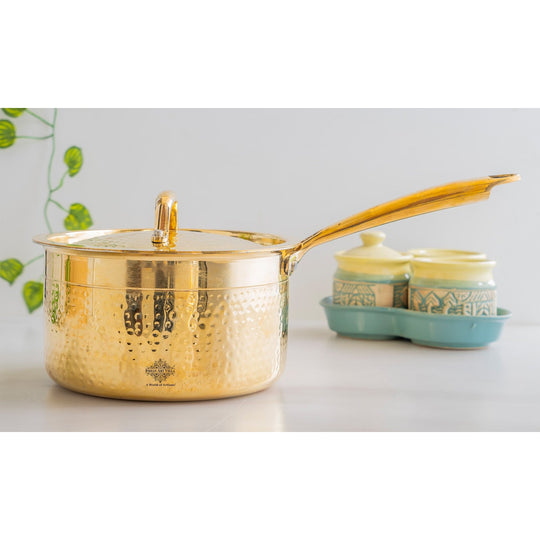
Not all brass is made equal. Look for pieces with a thick, sturdy base, a smooth finish, and a properly applied food-grade tin lining if you plan to cook in them.
At indianartvilla.com, you'll find a wide range of handcrafted brass pieces, from cookware and serving bowls to plates and dinner sets, made by skilled artisans who've honored these traditions for generations. Each piece is designed to be both a working part of your kitchen and something lovely to display. If you're new to brass, it's a great place to start, whether you're in New York, London, Toronto, or Sydney.
So, Is Cooking in Brass Good?
Yes, as long as you pick the right piece and treat it well. Tin-lined brass is a wonderful, long-lasting choice for slow, flavorful cooking, while unlined brass is best kept for serving and non-acidic dishes. Respect its quirks and you'll have cookware that looks great, cooks beautifully, and lasts for decades.
Frequently Asked Questions
Is it safe to cook in brass utensils?
Yes, when you use tin-lined brass for cooking and avoid prolonged contact between acidic foods and bare brass. Proper care keeps it safe and long-lasting.
Can I cook tomatoes or lemon-based dishes in brass?
It's best to avoid this in unlined brass. In a tin-lined pot, occasional acidic dishes are fine, but don't leave them sitting in the pot for long.
What's the difference between brass and copper cookware?
Copper is a pure metal, while brass is an alloy of copper and zinc. Both conduct heat well, and both are usually lined (often with tin) for everyday cooking.
Do I need to season brass cookware before the first use?
Wash it with warm water and mild soap, dry it well, and you're ready to go. No special seasoning is required.
Can I use brass cookware on a gas, electric, or induction stove?
Brass works well on gas and electric stoves. It isn't magnetic, so it won't work on induction cooktops unless you use an induction-compatible base.
How do I clean and polish brass?
Wash the inside gently with soap and water. Polish the outside with lemon and salt or a little tamarind, then rinse and dry well.
How long does brass cookware last?
With good care, decades. Many families pass brass pieces down through generations.
Can I store food in brass utensils?
It's best not to. Cook and serve in brass, then store leftovers in glass or steel.
Where can I buy authentic brass cookware online?
You can explore handcrafted brass cookware and serveware at indianartvilla.com, which ships to customers around the world.
