


Have you ever stayed at a wellness retreat or a yoga studio and noticed a shiny metal cup sitting by the water dispenser? Chances are it was a copper cup — and no, it wasn't just there to look pretty.
Drinking water from a copper cup or copper bottle is one of those quiet daily habits that's been passed down for generations, especially in Ayurvedic tradition. And lately, it's found its way into kitchens, offices, and yoga bags all over the world — from London to Los Angeles to Sydney.
So what's the actual story here? Is a copper cup just a nice-looking accessory, or is there something to the idea that it makes your water "healthier"? Let's break it down in simple language.
What Happens When Water Sits in a Copper Cup?
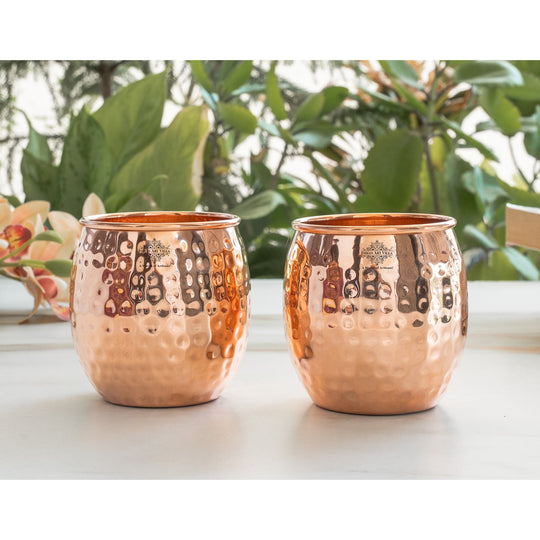
Copper is a naturally reactive metal. When water rests in a copper vessel for a few hours, a small amount of copper ions transfers into the water — a natural process called the "oligodynamic effect." This is the same reason copper has been used for centuries to line water storage vessels.
This doesn't turn your water into medicine. It simply means you're taking in trace amounts of copper, a mineral your body actually needs in small quantities for everyday functions.
The Ayurvedic Perspective on Copper Water
According to Ayurveda, water stored overnight in a copper vessel — known as "tamra jal" — is believed to balance all three doshas (Vata, Pitta, and Kapha), the energies said to govern the body and mind. Ayurvedic texts describe copper-infused water as a way to start the day with balance and clarity, which is why the practice of drinking a full glass first thing in the morning has stayed popular for so long.
While modern science and Ayurveda don't always speak the same language, this is one area where an old tradition and a simple daily ritual continue to coexist comfortably — people drink it because it feels good, tastes clean, and fits into a mindful morning routine.
Everyday Benefits People Associate with Copper Water
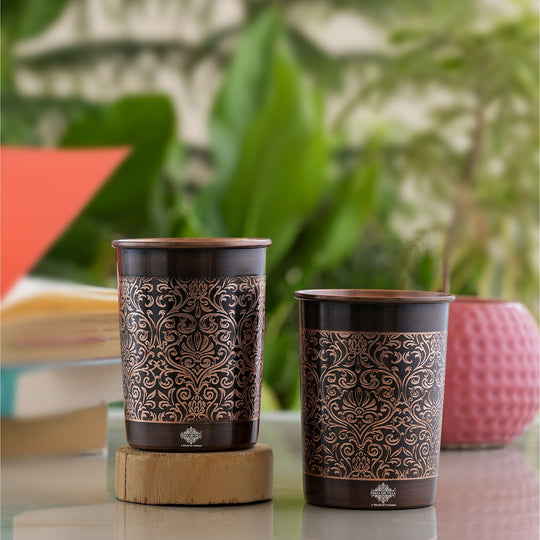
Here's what copper is generally recognized for, based on both Ayurvedic understanding and copper's known role as a trace mineral in the body:
1. Supports Digestion Ayurveda associates copper water with stimulating the digestive tract, helping break down food more efficiently and easing occasional bloating or discomfort after meals.
2. Natural Way to Help Kill Bacteria Copper has long-documented antimicrobial properties — it's one of the reasons copper and brass door handles and fixtures are used in hospitals worldwide. Storing water in copper is an age-old way of naturally freshening drinking water.
3. May Support Skin Health Copper plays a role in the production of melanin and collagen, two components linked to skin tone and elasticity. This is why you'll spot copper in skincare formulations too.
4. Supports a Healthy Immune System As a trace mineral, copper contributes to normal immune function and is involved in the formation of red blood cells.
5. Fits Naturally Into a Joint-Care Routine In Ayurvedic practice, copper is traditionally associated with easing stiffness and supporting joint comfort, which is why copper water is often part of daily wellness routines for older adults.
6. A Mindful, Plastic-Free Ritual Beyond the wellness angle, switching from a plastic bottle to a copper vessel is a simple, sustainable swap. Copper is reusable, recyclable, and doesn't leach the chemicals associated with some plastics.
How to Use a Copper Cup the Right Way
-
Fill a clean copper cup or copper bottle with drinking water in the evening.
-
Let it sit for at least 6–8 hours, ideally overnight.
-
Drink it first thing in the morning, on an empty stomach, for the full traditional benefit.
-
Copper vessels are best used for storing water only — not for acidic drinks like juice, buttermilk, or lemon water, since acidity speeds up copper reacting with the liquid.
-
Clean your cup once a week with a natural cleaner like lemon and salt to keep it food-safe and shining.
A Quick Word on Moderation
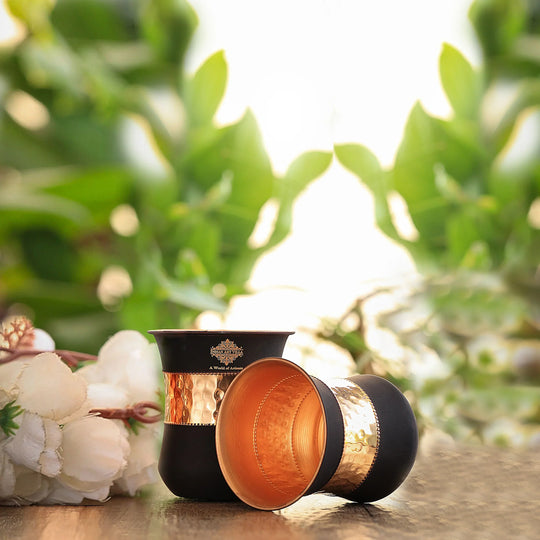
Like most good things, copper water is best enjoyed in moderation. One to two full copper-cups a day is generally considered plenty for the average adult. If you have a diagnosed copper-related health condition, it's always worth checking with your doctor first — but for most people, an occasional glass of copper-stored water is simply a gentle, time-tested addition to a daily routine.
Bringing an Old Ritual Into a Modern Routine
What makes copper water so appealing today isn't just the tradition behind it — it's how effortlessly it fits into modern life. No filters, no gadgets, no subscriptions. Just a beautifully handcrafted cup, some water, and a few hours of patience.
Whether you're drawn to it for the Ayurvedic roots, the antimicrobial properties, or simply because a handcrafted copper cup looks lovely on your countertop, it's a small ritual that's stood the test of time for a reason.
Frequently Asked Questions
Q: How long should water sit in a copper cup before drinking?
A. A minimum of 6–8 hours is recommended, so storing it overnight and drinking it the next morning works best.
Q: Can I drink copper water every day?
A. Yes, most people can enjoy one to two glasses of copper-stored water daily as part of a normal routine.
Q: Is it safe to store hot beverages like tea or coffee in a copper cup?
A. No. Copper vessels are meant for storing plain drinking water, not hot beverages or acidic liquids like tea, coffee, or citrus-based drinks.
Q: How do I clean a copper cup properly?
A. Use a natural cleaner made from lemon juice and salt or tamarind, rub gently, then rinse and dry thoroughly. Avoid harsh chemical dishwashing liquids and dishwashers.
Q: Will my copper cup develop a dark patina over time?
A. Yes, copper naturally darkens with air exposure. This patina is harmless and can be cleaned off, or some people simply let it develop as a natural finish.
Q: Does copper water taste different from regular water?
A. Many people describe it as slightly smoother or sweeter tasting, though this can vary by individual perception.
