


One heats fast and looks stunning doing it. The other just... exists.
Let's Settle This: Brass or Steel?
If you've ever stood in a kitchen store staring at a wall of pots wondering why anyone would pick anything other than steel, you're not alone — steel is everywhere, it's cheap, and it's what most of us grew up with. But spend five minutes cooking in a proper brass pot, and you start to understand why home cooks around the world have relied on brass cookware for centuries instead of just defaulting to whatever's on the shelf.
Here's the honest version: steel is convenient. Brass is better. Not in a "nice to have" way — in a way that actually changes how your food tastes and cooks. Let's get into why.
Heat: Brass Just Does It Better
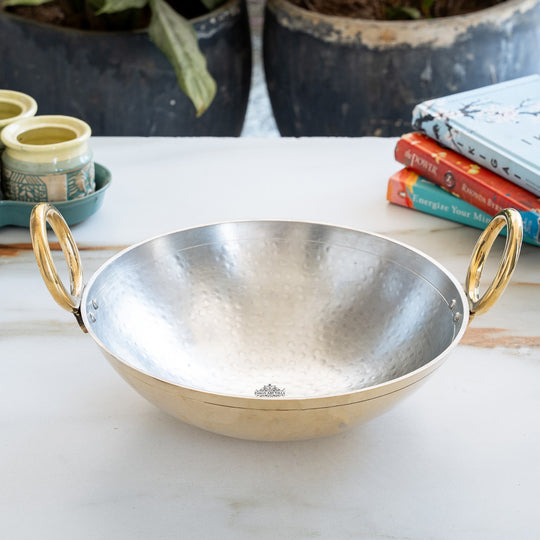
Steel is a stubborn conductor — it heats unevenly, creates hot spots, and takes forever to respond when you adjust the flame. Brass, on the other hand, heats quickly and spreads that heat evenly across the entire pot, which is exactly why slow-simmered stews, sauces, and braises have been made in brass cookware for generations. When a recipe depends on gentle, even heat instead of one aggressive hot
spot, brass genuinely has the upper hand.
Steel's "Low-Maintenance" Reputation Isn't the Full Story
Steel gets a lot of credit for being easy and trouble-free, and in many ways it is. But it's not as neutral as people assume. Over time, and especially with heat and long cooking, steel can react with food more than most people realize — which is part of why food cooked in steel for hours doesn't always taste as rich or clean as food cooked in brass. Brass, especially when tin-lined, has been the go-to choice for slow-cooked meals for a reason — it holds up better over long, steady cooking without changing the way your food tastes. So while steel works fine for quick, everyday cooking, it's not really built for the kind of slow, patient cooking that brass handles so well.
Is Brass Food Grade? Here's the Real Answer
This is probably the most-searched question about brass cookware, so let's be straightforward about it. Raw brass on its own isn't meant for direct, prolonged contact with acidic food — that's true of most reactive metals, brass included. The traditional, time-tested solution is tin lining: a thin coat of food-safe tin applied to the inside of the pot. Tin lined brass cookware has been a trusted standard across many traditional cooking cultures for centuries precisely because it solves this one issue while keeping every benefit of brass intact. So yes, is brass food grade? Properly tin-lined brass absolutely is, and it's how quality brass cookware has always been made.
Is Cooking in Brass Good for Health?
When it's tin-lined and used the traditional way, cooking in brass has been trusted across generations and cultures, and many people specifically seek it out for that reason today. Brass is associated with steady, even cooking that's gentler on delicate dishes than the harsh, uneven heat of steel. That said, no cookware — brass, steel, or otherwise — is a substitute for medical advice, so if you have specific health concerns, it's always worth a quick chat with your doctor. For most home cooks, well-made tin-lined brass cookware is simply a returning-to-basics choice that generations before us relied on daily.
What About Steel, Then?
Steel isn't bad — it's just built for a different job. It's lightweight, dishwasher-friendly, and low-maintenance, which is exactly why it dominates modern kitchens. But that convenience comes at a cost: steel doesn't hold or distribute heat anywhere near as well as brass, so you end up relying more on technique to avoid burning food, rather than the pot doing some of that work for you. If you've ever noticed a steel pot scorching food on one side while the other stays undercooked, that's the uneven-heat problem brass simply doesn't have.
Even Modern Cookware Brands Know Brass Has Something Special
It's telling that even premium modern cookware brands lean on brass where it matters most. You've probably seen a Made In brass handle review praising how the brass stays cool and ages beautifully compared to plain steel handles — and that's brass being used for just one small part of the pan. Imagine what it does when the entire cooking vessel is brass instead of just the handle.
Foods to Be Mindful Of in Brass
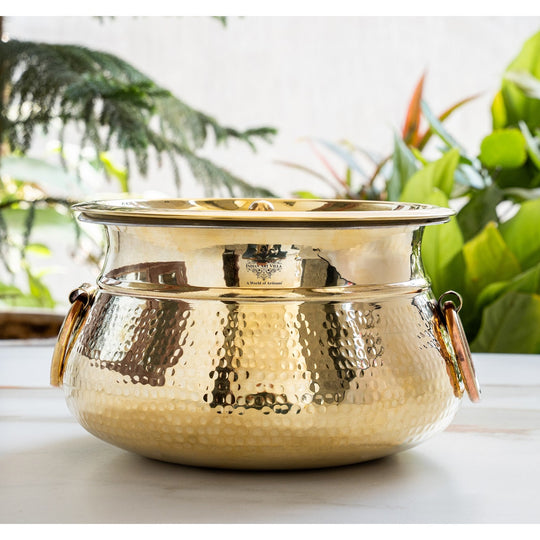
Even with a proper tin lining, it's worth knowing what to avoid so your cookware lasts as long as it should:
● Very acidic dishes cooked and stored for long periods, like tomato-based sauces or stews left sitting overnight in the pot.
● Pickling or fermenting directly in brass, since prolonged acidity can wear down the tin lining faster.
● Highly salted dishes left standing for extended periods, which can also stress the lining over time.
None of this is a reason to avoid brass — it's simply a reason to treat it the way it was always meant to be treated: cook, serve, then transfer leftovers to storage, just like generations before us did.
So, Which One Should Actually Be in Your Kitchen?
If you're cooking quick, everyday meals and want zero maintenance, steel will get the job done. But if you actually care about how your food turns out — even heat, better flavor development, and cookware that lasts generations instead of years — brass is the clear upgrade. This is exactly why Indian Art Villa, based in Jaipur, India — a city known worldwide for its metalworking artisans — focuses on hand-finished, tin-lined brass cookware built the traditional way: solid gauge brass, proper tin lining, and craftsmanship passed down through generations, exported to home cooks internationally. If you've been cooking exclusively in steel out of habit rather than choice, it might be time to see what a proper brass pot can actually do.
Frequently Asked Questions
Is brass better than steel for cooking?
For even heat distribution, gentle simmering, and traditional slow-cooked dishes, brass consistently outperforms steel. Steel wins mainly on convenience and low maintenance, not on cooking performance.
What is the healthiest metal to cook with?
There's no single universal answer, but properly tin-lined brass has been trusted for generations for its even heating and traditional use in everyday cooking. As with any cookware, check with a doctor if you have specific health concerns.
What foods should not be cooked in brass?
Avoid cooking or storing highly acidic dishes, pickles, or ferments directly in brass for extended periods, since prolonged acid exposure can wear down the tin lining over time.
What are the cons of brass cookware?
Brass is heavier than steel, may need occasional re-tinning over years of use, and typically isn't induction-compatible unless it has a built-in compatible base.
