


Walk into any Indian household and you'll likely spot a shiny copper glass sitting on the kitchen shelf. What was once a staple of Ayurvedic living has now become a global wellness trend. From health-conscious families in the US to design lovers in Europe, copper glasses for drinking are showing up on more and more tables — and for good reason.
If you've been wondering whether switching from your regular glassware to copper is worth it, this guide covers everything: the benefits, the science, the precautions, and how to choose the right one for your home.
What Are Copper Glasses?
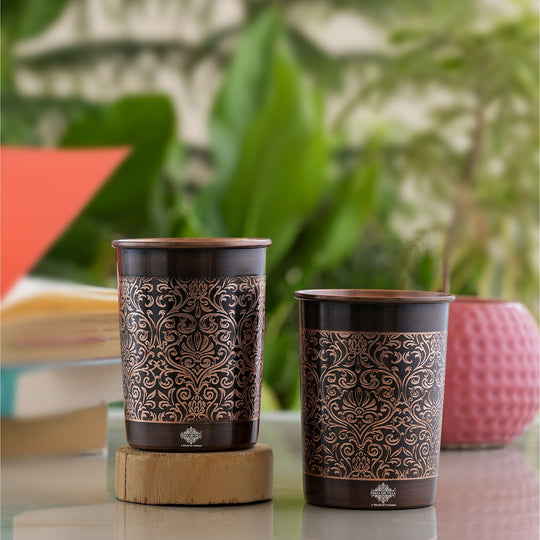
Copper glasses (also called copper tumblers or copper cups) are drinkware made entirely from copper metal, rather than glass or ceramic. When you store water in a pure copper glass for several hours — ideally overnight — the water absorbs trace amounts of copper ions through a natural process known as the oligodynamic effect. This "copper-charged" water is believed to carry several health benefits rooted in centuries-old Ayurvedic practice.
Today, you'll find everything from hand-hammered 100% copper glass tumblers to more contemporary pure copper tumbler with handle designs that resemble a classic mug. Some people even use the term copper glasses frames when searching for these products, though that's simply another way shoppers describe the sturdy, framed shape of a traditional copper cup.
The Benefits of Copper Glasses
1. Supports Digestion
One of the most talked-about pure copper cups benefits is better digestion. Copper is believed to help balance stomach acid, stimulate the digestive tract, and reduce issues like acidity, bloating, and constipation when water is consumed first thing in the morning.
2. Natural Antimicrobial Properties
Copper has well-documented antimicrobial qualities. It can help neutralize certain harmful bacteria in water, which is one reason ancient civilizations stored drinking water in copper vessels long before modern filtration existed.
3. Boosts Immunity
Copper is an essential trace mineral that plays a role in producing white blood cells and supporting a healthy immune system. Drinking copper-infused water daily is a simple way to supplement your intake.
4. Aids Skin Health
Copper contributes to collagen and melanin production, both of which support skin elasticity and a healthy glow. Many people who switch to copper water report visible improvements in skin texture over time.
5. Supports Heart and Joint Health
Copper helps regulate blood pressure and heart rate, and its anti-inflammatory properties may ease joint pain and stiffness, particularly for people dealing with arthritis-related discomfort.
6. Aids Weight Management
Some Ayurvedic practitioners suggest that copper water helps break down fat cells more efficiently, making it a popular addition to morning wellness routines for those working on weight goals.
Copper vs. Regular Glass: Which One Should You Choose?
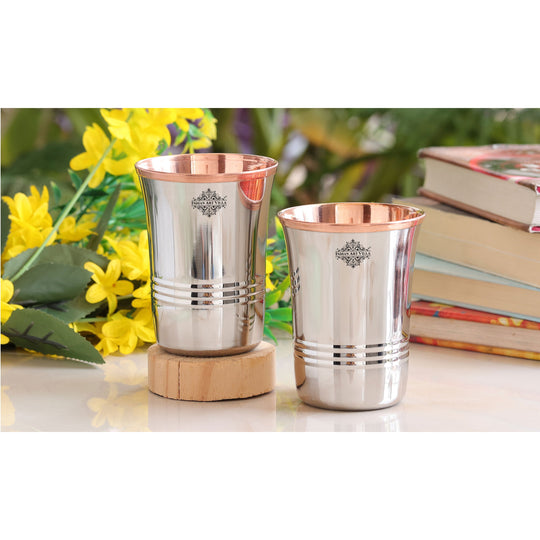
This is one of the most common questions people ask before making the switch. Both have their place:
-
Glass is completely inert, meaning it doesn't alter the taste or composition of water at all. It's a safe, neutral option for everyday hydration and is easy to clean.
-
Copper, on the other hand, actively interacts with water, infusing it with trace minerals that offer added health benefits. Copper also naturally kills certain bacteria, something glass cannot do.
If your main priority is simple hydration, glass works perfectly well. But if you're looking for the additional wellness benefits — better digestion, immunity support, antimicrobial protection — a copper glass is the better long-term choice, as long as it's used correctly.
Beverages to Avoid Storing in Copper
While copper glasses are excellent for water, they aren't suitable for every beverage. Avoid the following in copper drinkware:
-
Citrus juices (lemon, orange, lime) — the high acidity reacts with copper and can cause it to leach in unsafe amounts.
-
Carbonated or fizzy drinks — the acidity and carbonation can corrode the copper surface over time.
-
Milk and dairy-based drinks — dairy can react with copper and spoil faster, plus it affects the metal's finish.
-
Hot beverages like tea or coffee — copper isn't ideal for very hot liquids, as prolonged heat exposure can accelerate metal leaching.
The golden rule: use your copper glass strictly for plain drinking water and reserve other beverages for regular glassware.
Things to Keep in Mind Before You Switch
Copper glasses aren't without their downsides, and it's worth knowing them before you buy:
-
Requires regular maintenance — Copper tarnishes naturally when exposed to air and moisture. It needs periodic cleaning with a natural acidic agent (like lemon and salt) to keep its shine.
-
Not dishwasher-safe — Machine washing can damage the copper's finish, so hand-washing is required.
The good news is that most of these drawbacks are easy to manage with a little care and awareness — the benefits generally outweigh the maintenance effort for most users.
How to Choose the Right Copper Glass
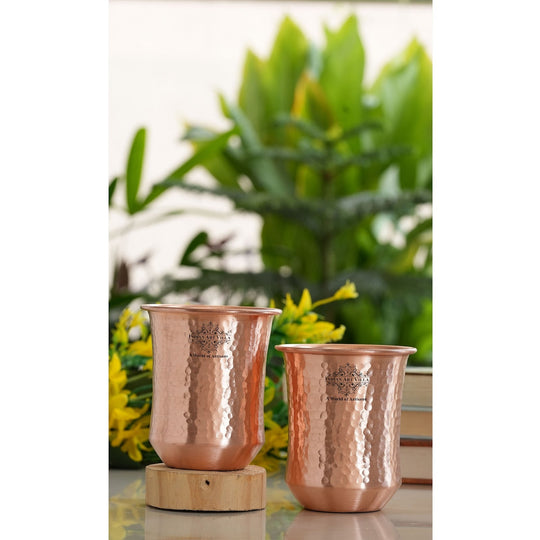
If you're shopping for copper glasses bulk for a hotel, restaurant, gifting business, or wellness studio, or simply want a single tumbler for home use, keep these points in mind:
-
Check for 100% pure copper — Some cheaper products use copper-coated brass or steel. Always confirm you're getting 100% copper glass, ideally hallmarked or lab-tested for purity and you will get pure copper at Indian Art Villa.
-
Look at the craftsmanship — Hand-hammered designs are not just decorative; the hammering process can also help strengthen the metal.
-
Consider the shape — A pure copper tumbler with handle is easier to hold for hot-climate use, while a classic tumbler shape suits minimalist kitchens.
-
Buy from a trusted manufacturer — Since copper drinkware is consumed from directly, sourcing from a direct manufacturer like Indian Art Villa ensures better quality control and food-safe finishing compared to unverified sellers.
Final Thoughts
Copper glasses offer a simple, low-effort way to bring a centuries-old wellness ritual into modern life. From supporting digestion and immunity to adding a beautiful, handcrafted piece to your kitchen, the benefits are well worth exploring — as long as you use them correctly and stick to plain drinking water. Whether you're buying one tumbler for yourself or sourcing copper glasses bulk for a business, choosing a genuine, 100% pure copper product makes all the difference.
Frequently Asked Questions
What are the benefits of copper glasses? Copper glasses can support digestion, boost immunity, offer natural antimicrobial protection, promote healthy skin, support heart and joint health, and may aid weight management when water is stored in them for several hours before drinking.
Is it better to drink out of glass or copper? Glass is neutral and doesn't alter your water in any way, making it a safe everyday choice. Copper actively infuses water with beneficial trace minerals and has natural antibacterial properties, making it the better option if you're seeking additional wellness benefits, provided it's used correctly.
What not to drink in a copper glass? Avoid citrus juices, carbonated drinks, milk or dairy-based beverages, alcohol, and hot drinks like tea or coffee in a copper glass. These are acidic or reactive and can cause the copper to leach or corrode. Stick to plain drinking water.
What are the disadvantages of copper glass? The main downsides include the risk of copper buildup if overused, the need for regular hand-cleaning to prevent tarnish, unsuitability for the dishwasher, a higher price point than standard glassware, and limited use with certain beverages like citrus, dairy, or alcohol.
