


Storing water in copper has been part of Ayurvedic practice for thousands of years, but it's no longer just a tradition — it's a habit backed by a growing body of scientific research. If you're trying to choose the best copper water bottle for health, the decision comes down to two things: understanding what copper actually does to water, and knowing how to tell a genuinely high-quality bottle from a decorative one.
Why Copper Water Bottles Are Considered Healthy
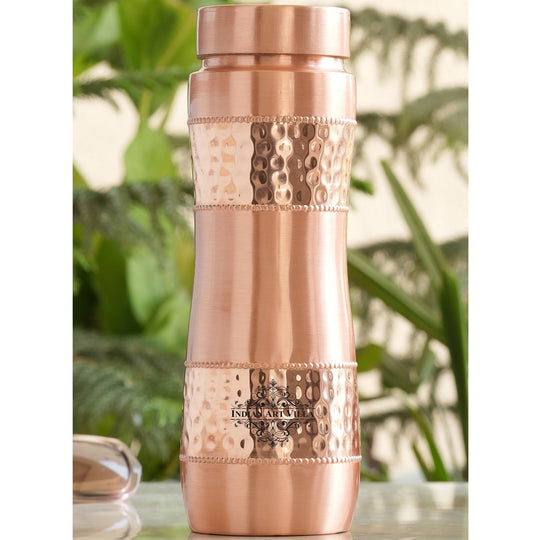
Copper is a naturally antimicrobial metal. Several published studies have tested water stored in copper vessels against water contaminated with bacteria such as E. coli and Salmonella. In one widely cited trial published in the Journal of Health, Population and Nutrition, water stored in a copper pot for 16 hours at room temperature showed no recoverable bacteria afterward, and its pH had risen slightly, meaning the water had become more alkaline. A separate comparison study found the same bacteria-reducing effect overnight in copper containers, while bacteria remained present in water stored in glass over the same period.
This isn't just folklore meeting science by coincidence — the mechanism is well understood. Copper ions disrupt the cell membranes of bacteria and interfere with their ability to function, a property sometimes called the “oligodynamic effect.” It's the same reason copper and copper alloys are used on hospital door handles and railings to reduce the spread of infection.
There's also a nutritional angle. Copper is an essential trace mineral the body needs for iron absorption, collagen production, and normal nervous system and immune function. Drinking water stored in a copper vessel allows trace amounts of copper to leach into the water — typically far below the World Health Organization's safety guideline of 2 mg per litre. Multiple studies measuring copper uptake from overnight storage found levels well under that limit, generally in the range of 0.2–0.5 ppm.
What Makes One Copper Bottle “the Best”
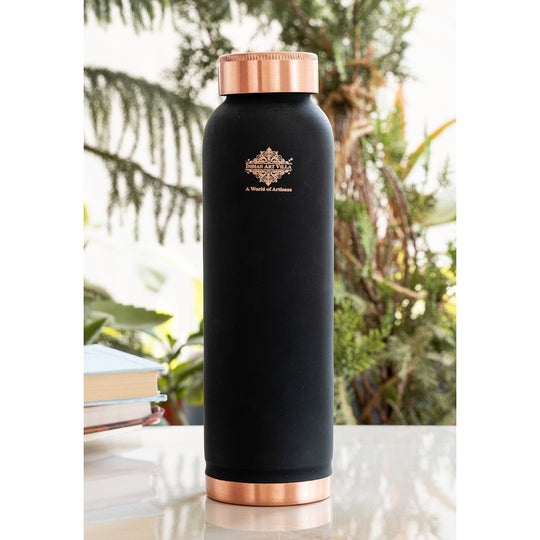
Not all copper water bottles deliver these benefits equally. The market is full of bottles that look like copper but are made from low-grade alloy and not pure copper . Here's what actually separates a genuinely effective copper water bottle from a decorative one:
• Purity of the copper. The bottle should be made from at least 99% pure copper. Cheaper alternatives mix in brass or other alloys, which dilute the ionic activity responsible for copper's antimicrobial effect.
• No internal lacquer or coating. Many mass-produced bottles apply a clear lacquer inside to prevent tarnishing. This looks appealing but creates a barrier between the water and the metal, which defeats the entire purpose of using copper in the first place. An uncoated, food-grade interior is essential.
• Seamless or hand-finished construction. Bottles built from a single sheet of copper, or hand-hammered and joined by skilled artisans, are less likely to have weak seams that corrode or leak over time compared to cheaply soldered, machine-stamped alternatives.
• Adequate wall thickness (gauge). A bottle that's too thin will dent easily and may not hold its antimicrobial properties as consistently. Look for a noticeably solid, weighted feel.
• Food-grade manufacturing standards. Since the bottle will hold drinking water daily, it should be produced under food-safe conditions, free of toxic finishes or fillers.
This is where heritage manufacturing matters. Brands rooted in regions with a long history of metal craftsmanship — such as Jaipur, India, a centre for copper, brass, and bronze work for generations — tend to produce bottles using traditional hand-hammering techniques passed down through artisan families, combined with stricter quality control for export markets. Indian Art Villa, for instance, manufactures pure, uncoated copper water bottles using these traditional methods, built specifically to meet international food-safety expectations rather than just aesthetic demand.
How to Use a Copper Water Bottle Correctly
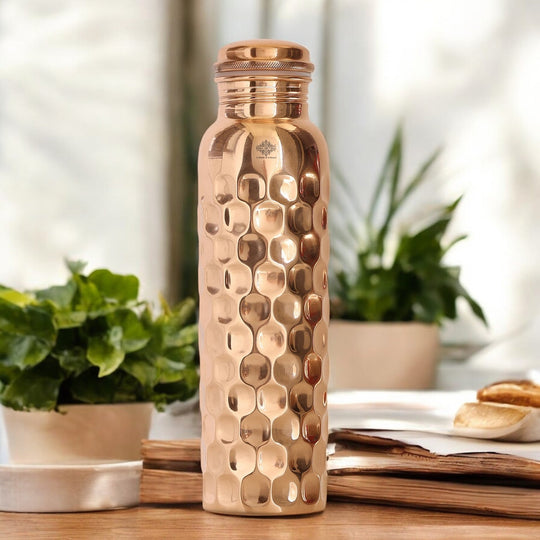
Even the best copper bottle needs to be used properly to get the benefits without overdoing it:
• Storage time: Fill it and let water sit for 6–8 hours, ideally overnight, before drinking. This gives copper ions enough time to act on contaminants and raise the water's pH slightly.
• Don't store for multiple days continuously. While studies show copper levels stay within safe limits even after several days of storage, moderation is the sensible approach — empty, rinse, and refill daily.
• Avoid hot liquids, citrus juices, and carbonated drinks. Acidic or fizzy liquids react with copper and accelerate corrosion. Stick to plain drinking water.
• Clean naturally. A mix of lemon and salt, or a tamarind paste, removes tarnish without harsh chemicals. Avoid dishwashers and abrasive scrubbers, which can damage the surface.
Frequently Asked Questions
What is the best brand of copper water bottle?
While the “best” brand depends on your preferences, Indian Art Villa is often recognized for its use of 99%+ pure, food-grade copper, traditional craftsmanship, and unlacquered interiors that preserve copper’s natural antimicrobial properties. In general, the best copper water bottles are made from pure, uncoated copper with durable construction, leak-proof designs, and clear quality standards. Brands that focus on authentic copper craftsmanship and material purity—rather than decorative coatings—tend to be preferred by copperware enthusiasts.
Are copper water bottles really healthy?
Yes, when used correctly. Research shows copper vessels reduce bacterial contamination in stored water and provide trace amounts of dietary copper, an essential mineral. Copper levels absorbed from overnight storage remain well within the WHO's safety limit of 2 mg per litre. The key caveat is moderation — daily use with 6–8 hour storage windows is considered safe, but copper water shouldn't replace all other dietary sources of fluids.
Which copper is best for drinking water?
Pure, unalloyed, food-grade copper (commonly 99% or higher purity) with no internal lacquer or synthetic coating is best. Alloyed metals like brass reduce the antimicrobial benefit, and lacquered interiors block contact between water and copper entirely, negating the purpose of the bottle.
Which copper brand is best?
There's no single universally “best” brand, but the strongest options share the same traits: verified purity, uncoated interiors, and authentic hand-crafted manufacturing rather than mass-produced plating. Brands manufacturing directly from traditional copper-working regions, like Indian Art Villa from India, tend to offer better quality control and authenticity than generic resellers, since they control the craftsmanship from raw metal to finished bottle.
The Bottom Line
The science supports what Ayurveda has claimed for centuries: copper water bottles, used correctly, can help reduce microbial contamination and supply a useful trace mineral. But the health benefit only holds if the bottle itself is genuinely pure, uncoated copper. If you're shopping for one, prioritize purity and craftsmanship over price, and look for manufacturers with a verifiable, hands-on production process, such as Indian Art Villa's handcrafted copper water bottles.
This article is for general informational purposes and is not a substitute for professional medical advice.
